The price on the phone sounded like a win. A low cash quote, a promise to be in and out in under an hour, and the tech would even meet you in the parking lot behind your office. I understand the appeal because I’ve taken that call, both as a shop owner and as a customer who needed a quick fix. But windshields aren’t like wiper blades or floor mats. They’re part of your car’s structure, they integrate with safety systems, and they have to bond to your frame in a way that holds during an impact. If a cheap job cuts corners on any of those pieces, the “deal” can get very expensive.
I’ve spent years around Auto Glass Replacement, watching how materials, technique, and calibration make the difference between a repair that disappears into your life and one that follows you with leaks, wind noise, and the gnawing doubt that the next pothole or airbag deployment could go wrong. The true cost of cheap Windshield Replacement rarely shows up on the invoice. It shows up later, when the season changes or the unexpected happens.
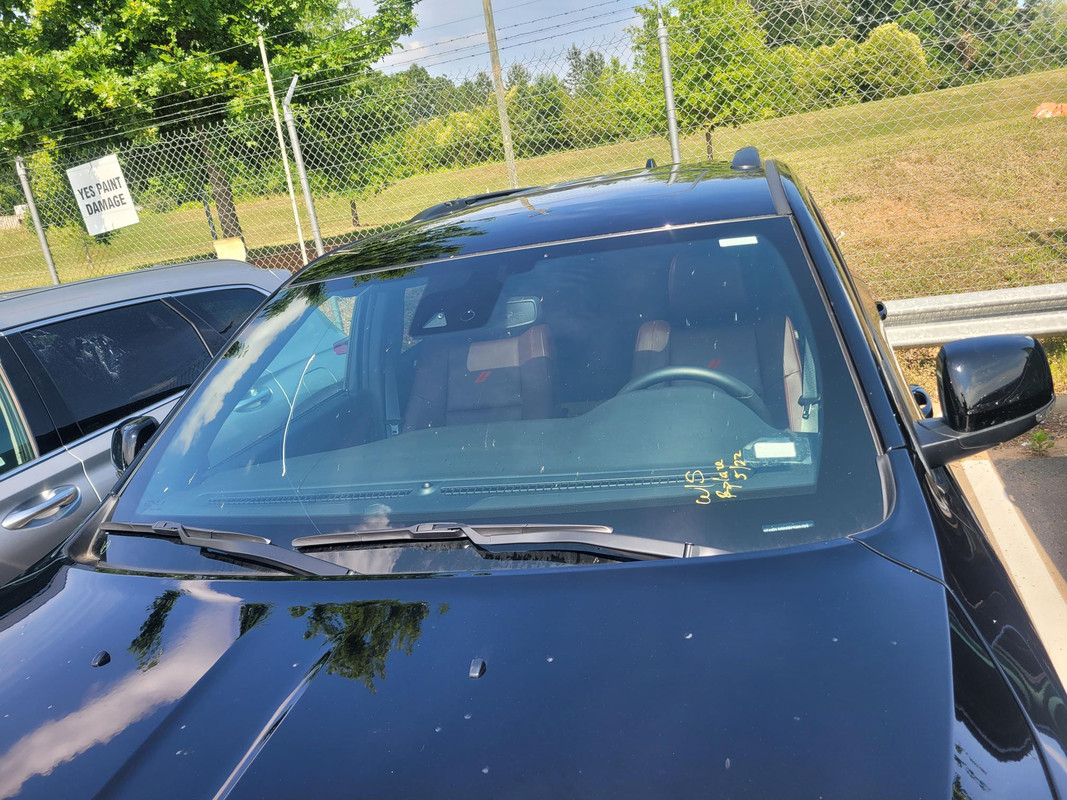
The windshield’s job is bigger than most people think
Before laminated glass became standard, a windshield was little more than a windbreak. Modern cars use the windshield as a structural member. In a front collision, the windshield helps the passenger-side airbag deploy in the correct arc. In a rollover, it contributes to roof crush resistance. The bond between glass and body matters as much as the glass itself, and that bond depends on the right urethane, properly prepped surfaces, and the correct cure time.
Drivers often focus on the glass brand and price, which are visible. What you can’t see is the adhesive chemistry and installation sequence. That is where low-cost jobs take the biggest shortcuts.
Where the low price usually comes from
I’ve seen two $200 quotes look identical on paper and completely different on the car a week later. The tool to understand the difference is to look at the cost drivers.
- Adhesive quality and cure time. Low-cost jobs often use bargain urethane that cures slowly or never reaches the proper shear strength. Quick-dry formulas can be great, but they’re not all equal. The “safe drive-away time” on a product like Dow or Sika urethane is based on lab-tested temperature, humidity, and glass mass. Cheap urethane may promise fast cure but delivers only marketing words. Prep work and corrosion control. Proper prep means removing trims without breaking them, cleaning old urethane down to 1–2 mm (not to bare metal), decontaminating with the right solvents, and priming any scratches. It’s slow, meticulous work. Rushed jobs often cut the old urethane too deep, nick paint, skip primer, and trap moisture. That invites rust under the frit band that shows up months later as a bubble or brown weep line. Glass quality and specs. OE (original equipment) and high-quality OE-equivalent glass meet optical and acoustic standards, and they come with correctly placed brackets for sensors and cameras. Cheaper glass can lens light oddly, introduce distortion at the edges, or carry slightly off-center rain sensor mounts. You only notice at night, on a wet highway, when glare and ghosting wear you down. Calibration for ADAS. If your car has a forward camera behind the windshield, replacing the glass changes how the system “sees” the road. Static or dynamic calibration is required. The cost of doing this right includes targets, software, level floors, and trained people. Skipping calibration, or guessing with a road test, is the most dangerous corner to cut. Labor discipline. The best installers don’t rush the squeeze-out of urethane or toss a clean cover over dirty cowl panels. They seat the glass once, at the right angle, with the bead height set for your body flange. Double-set or “bounce” seating introduces voids. Cheap jobs often rely on speed, not process.
Those five areas make or break the replacement. If a low Windshield Quote leaves out calibration or glosses over adhesive performance, you aren’t comparing like for like.
The safety piece no one sees until it fails
I once inspected a crossover that had been in a moderate front crash. The driver walked away, but the passenger airbag didn’t fully deploy into the cabin. The windshield had lifted at the upper passenger corner, and the bag pushed into the gap, losing energy. The previous owner revealed a budget windshield job the year before. The adhesive bead showed smears and bare metal where primer should have been. Heat, time, and a few hard door slams weakened the bond. That’s the scenario technicians think about when we argue for proper materials and cure times.
Consider rollover loads. The laminated glass contributes to roof stiffness when bonded correctly. It is not the primary cage, but it adds measurable resistance. A compromised bond reduces that contribution. You won’t notice on a normal day. You will notice when you need every bit of structural margin.
The sneaky costs that show up after a cheap install
Leaks and wind noise are the early warnings. They may start as a faint whistle at 60 mph or a small drip during a thunderstorm. I’ve seen cars come in with a sour smell and damp floor mats, the body module sending ghost warnings because moisture has crept into the wiring under the carpet. A $100 savings at install becomes a $600 mold remediation or an $800 diagnostic for intermittent electrical faults. If rust starts at the pinchweld, the cost keeps compounding because repairing a corroded flange requires stripping, treating, repainting, and reinstalling the glass, often with new trims that weren’t budgeted.
Optical quality issues show up when your eyes are tired. Off-center frits leave exposed adhesive lines that degrade under UV. Poor placement of the mirror mount or sensor bracket leaves the camera twisted a degree or two out of spec. The vehicle might tolerate that misalignment for a while, but the calibration margin shrinks. One hard pothole or a tire change can push it past the threshold, tripping fault codes for lane departure or emergency braking systems.
On vehicles with heated windshields or heads-up displays, cheap glass can break features you paid for. I’ve tested aftermarket panels that technically fit but delivered a dim, doubled HUD image. Yes, the price was lower. No, the owner never used the HUD again without some level of annoyance.
Insurance, claims, and the trap of the lowest Auto Glass Quote
Insurance policies often recommend preferred vendors. Many of those partners are excellent. The problem appears when price pressure becomes the only metric. If your policy allows you to choose any shop that meets local licensing rules, ask for the details behind the Auto Glass Quote. Most reputable shops will itemize:
- Glass brand and part number, including whether it’s OEM, OE-equivalent, or aftermarket. Specific adhesive manufacturer and safe drive-away time given your climate. Whether ADAS calibration is included, and if so, whether it’s static, dynamic, or both. Any trim, clips, or moldings that will be replaced rather than reused. Warranty terms that cover leaks, stress cracks, and calibration issues.
A shop that balks at these specifics is telling you where they cut cost. Alarm bells should ring if a quote is vague on calibration for a car with a camera behind the glass. That is like replacing your brakes and skipping the bleed.
When cheap becomes more expensive than premium
I’ll share two cases that repeat every month in some form.
A mid-size sedan, basic model, no camera. The owner chose a street-corner installer for $230 cash. Wind noise started after a week. The installer blamed the mirror cover. A month later, the rain channel clip broke because it had been glued to the glass, not snapped into the body. Final bill to fix: $90 for new clips, $350 to pull and reset the glass with proper urethane, and the owner’s time rearranging rides for two appointments. Total: roughly $670, and a fair amount of frustration.
A compact SUV with lane keep assist. Price A: $410 including calibration. Price B: $300, no mention of calibration. The owner went with B. A week later, the dash lit an ADAS fault, and the dealer charged $240 for a dynamic calibration. That seemed to solve it until a rainstorm revealed a roof leak because the cowl hadn’t been reseated with the rain diverter properly aligned. Correcting the water path was another $120 at a body shop. The cheap price ended at $660, not counting the second appointment and the heartburn.
Both cases could have been avoided with a thorough first job. There is no magic here. You are paying for process integrity.
What “doing it right” looks like
A clean area matters. Dust and silicone in the air contaminate the bond. The installer should mask the dash, cover the seats, and protect the paint. The glass edge gets prepped according to the adhesive manufacturer, not habit. Old urethane is trimmed to a consistent thickness, commonly about 1–2 mm, to leave a “bed” for the new bead to grab. Any scratches through paint to metal are primed to prevent corrosion. The bead is applied in a uniform V shape with the right nozzle cut. The glass goes in once, square and steady, with blocks or stops set to keep it centered.
Drive-away time is more than a suggestion. At 70 degrees and moderate humidity, many premium urethanes reach safe strength in an hour. Turn that to 40 degrees on a dry, windy day, and you might need four to eight hours, or a different adhesive. I’ve kept cars overnight when the weather turned, because a safe car a day later is better than a risky car on schedule.
If the vehicle has a camera or rain sensor, the installer confirms the bracket is clean, the gel pad is new if required, and the calibration procedure matches your model year. Some vehicles take a static calibration with targets, which demands a level floor and specific lighting. Others recalibrate on a controlled road drive. The shop should know which yours needs and should explain it without hedging.
OEM glass versus OE-equivalent and aftermarket
People often ask whether they should insist on OEM glass. My answer: it depends on the car and the options. Many OE-equivalent panels from reputable manufacturers match the optical performance and fit of the original, especially for mainstream models. Where OEM stands out is on specialized windshields with acoustic interlayers, complex HUD coatings, or camera mounts that have tight tolerances. If you have a luxury model or a trim with advanced ADAS, OEM is usually the safer bet. For a basic commuter without sensors, a top-tier aftermarket part can be perfectly fine.
The red flag is the nameless or no-brand glass that arrives without clear labeling, inconsistent frit borders, or misaligned mounts. I’ve returned panels that looked acceptable until we test-fitted the mirror and found the bracket rotated a few degrees. That “almost right” part is a headache you don’t want.
Weather, region, and how climate changes the equation
In northern climates with road salt, any nicked paint at the pinchweld is a corrosion seed. The combination of salt, moisture, and freeze-thaw expands small flaws into rust lips that lift the glass. Shops in these regions should be almost fussy about primer and paint touch-ups. In hot, high-UV regions, the adhesive and the exposed frit edges take a beating. Cheap urethane can embrittle, and UV can chew through a thin black band if it’s off by a few millimeters. All adhesives have temperature windows. If a mobile installer is working outdoors in January or July, ask how they’re managing cure with heaters, tents, or product selection.
Mobile versus in-shop
Mobile service is convenient. I ran a crew that could do excellent work on driveways and office lots. The difference between good mobile and bad mobile was preparation. A mobile tech needs a way to control contamination and temperature. They should ask about your parking surface, wind conditions, and whether they can close doors for a draft-free setup. If your schedule and weather don’t support those conditions, a shop bay is worth the trip.
One limitation with mobile service is calibration. Static calibrations often require a calibrated floor and precise distances for targets. Dynamic-only systems can be done on the road, but traffic and lane quality affect the result. If your car needs static calibration, plan on an in-shop appointment or a two-step visit.
How to read a Windshield Quote without becoming a glass expert
You don’t need to memorize adhesive product codes or camera target patterns. You just need to ask the questions that force clarity. When I train service writers, I tell them the right conversation protects both the customer and the shop.
- What brand and part number of glass are you installing, and does it include the features on my current windshield? Which adhesive are you using, and what is the safe drive-away time given today’s weather? Will you perform ADAS calibration, and is it static, dynamic, or both? Is the calibration equipment on-site or sublet? Are you replacing any clips, moldings, or cowl fasteners, or reusing the old ones? If reusing, what happens if they break during removal? What does your warranty cover, for how long, and how do you handle leaks or calibration faults after the install?
If the answers are clear, you’re probably in good hands. If you get vague reassurances or a price that rises only after you ask about calibration and trims, keep shopping.
A word about timing, glass availability, and expectations
Sometimes the cheapest quote is tied to what’s on the truck, not what’s right for your car. I remember a run on windshields after a spring hailstorm. One supplier ran out of the exact variant with the acoustic interlayer, and a few shops sold the non-acoustic version to keep cars moving. Owners noticed a louder cabin, especially at highway speed. I understand the urge to get cars back on the road, but you deserve to know when a substitute is being used. A day or two of delay beats months of listening to a louder commute.
Likewise, cure time is not a negotiable schedule item. If your day doesn’t allow a proper wait, ask about early drop-off or overnight service. A good shop will work with you rather than rush a bond that supports airbags.
What a fair Auto Glass Quote looks like
I keep a mental band for typical jobs. For a common sedan without ADAS, a fair in-shop price with premium adhesive and OE-equivalent glass often lands in the mid-$300s to low $400s, including tax and new clips if needed. Add a forward camera and calibration, and the range moves to the mid-$400s to $700s depending on the calibration type and local labor rates. OEM glass on a luxury model can nudge that higher. Mobile service might add a modest fee if it includes additional setup time or a return visit for calibration.
If you see a number that is significantly lower, ask where the savings come from. Sometimes a shop has a promotional buy on glass, and the price is truly a deal. More often, something is missing: proper adhesive, calibration, or the right glass variant. Transparent shops won’t resist those questions.
Avoiding preventable headaches after installation
Once the glass is in, simple care helps. Skip the high-pressure car wash for a day. Don’t slam doors for the first few hours because pressure spikes can disturb the bead before it reaches full strength. If you hear wind noise or see a damp spot, don’t wait. A quick check and a bead adjustment can stop a small problem from becoming a moldy mess. Keep an eye on your ADAS indicators. If the lane or collision lights behave oddly, schedule a calibration check rather than assuming it’ll sort itself out.
And pay attention to the view at night. If you see doubled streetlights or unusual waviness when you move your head, note the spot. A shop that values its name will inspect and swap a panel with unacceptable distortion, especially if the issue is obvious under controlled conditions.
When budget matters, how to stretch it without inviting trouble
Everyone has a number in mind. If yours is tight, there are ways to save without rolling the dice on safety.
- Choose OE-equivalent glass from a reputable maker instead of OEM, unless your car has complex HUD or special coatings that truly warrant OEM. Schedule in-shop rather than mobile if it reduces fees and improves conditions for a clean install. Ask about bundled pricing that includes calibration and new clips up front, so you don’t pay piecemeal later. Time your appointment for weather that favors a faster safe drive-away time, which can reduce the need for overnight storage. Use your insurance wisely. If your deductible is close to the cost of a quality job, ask your carrier about their process, but retain the right to choose a shop that provides full documentation and calibration.
A trimmed dollar should come from logistics, not chemistry or skipped steps.
Why a good windshield replacement disappears from your life
The best compliment I’ve heard is from a client who said, after a week, that they forgot we touched the car. No squeaks, no whistling, no damp smell after rain, and the driver-assist icons behaved as they should. The wipers followed the glass with no chatter, the mirror stayed solid, and the HUD was crisp. That’s the goal. A proper Windshield Replacement returns your car to the safe, quiet baseline you had before the rock flew up.
Cheap work demands your attention later. It nags. It introduces doubt. Cars give you enough to think about between tires, fluids, and the occasional mystery rattle. Your windshield shouldn’t audition for that list.
The bottom line: price is a signal, but not the story
An Auto Glass Quote is a summary of choices you can’t see without taking the car apart. Cheap can be fine when the shop is efficient, the parts are right, and the process is respected. Cheap becomes costly when corners shaved today turn into repairs tomorrow. Ask questions that pull details into daylight. Insist on materials and calibration that match your vehicle. And give the adhesive the time it needs, even if it means arranging a ride.
You will pay for a windshield twice if you chase the lowest sticker at the expense of Cheraw windshield repair the bond, the glass quality, or the calibration. Pay once for a job that disappears, and your only reminder will be a clear view and a quiet cabin on a rainy night.